How to Get Siblings to Bond: Strategies Parents Can Start Today
Sibling relationships are often the longest family bonds any person will have. If you’re wondering how to get siblings to bond, the goal is not just to stop fights—it’s to create more positive interactions through shared play, laughter, teamwork, everyday routines, and better conflict repair. For parents who want practical ways to build a stronger sibling relationship—whether your kids are neurotypical, in therapy, or navigating a diagnosis together—this guide gives you step-by-step ideas for daily routines, family activities, conflict support, help for families when one child has special needs, and ways pediatric coaches can support the process. Strong sibling bonds help children feel safer, more supported, and better protected from the stress of ongoing conflict, which is why intentional connection matters for the whole family.
Key Takeaways
- Focus on creating more positive moments, not just stopping fights.
- Encourage shared play, laughter, teamwork, and family routines.
- Support siblings when one child has special needs or is in therapy.
- Teach conflict resolution instead of assigning blame.
- A pediatric coach can help create routines that fit your family’s needs.
Why Positive Interactions Matter More Than Stopping Fights
Think of every sibling relationship as a relationship bank account. Each moment of happy play, inside joke, or shared snack is a deposit. Each harsh word or shove is a withdrawal. Children feel safer with a steady diet of positive interactions, and that safety makes later conflicts easier to repair instead of explosive.
Research backs this up. Multiple studies, including work from the seattle love lab by John Gottman, found that stable relationships need roughly five positive interactions to balance one negative interaction-a ratio that applies to siblings just as it does to couples.
A Harvard Adult Development Study found that 93% of thriving men at 65 had close siblings growing up, and poor sibling relationships before age 20 predict later depression. Building strong sibling relationships is a mental health investment, not just a parenting nicety.
Kids living in constant conflict-or siblings of children in therapy-often stay in “protection mode,” bracing for the next blow-up. They need more as many positive interactions as possible, not stricter punishments. Quiet, ordinary moments in daily life are the deposits that matter, and they do not have to be major interactions to help build good feelings-even smile counts (walking a dog together, sharing Minecraft, playing a boardgame). Sibling relationships can change over time and may require intentional effort to maintain.
Stop policing every argument. Instead, design the day around small moments of connection. The sections below cover bedtime routine tweaks, oxytocin inducing activities, and family time ideas that make this practical.
Everyday Routines That Encourage Siblings to Enjoy Each Other
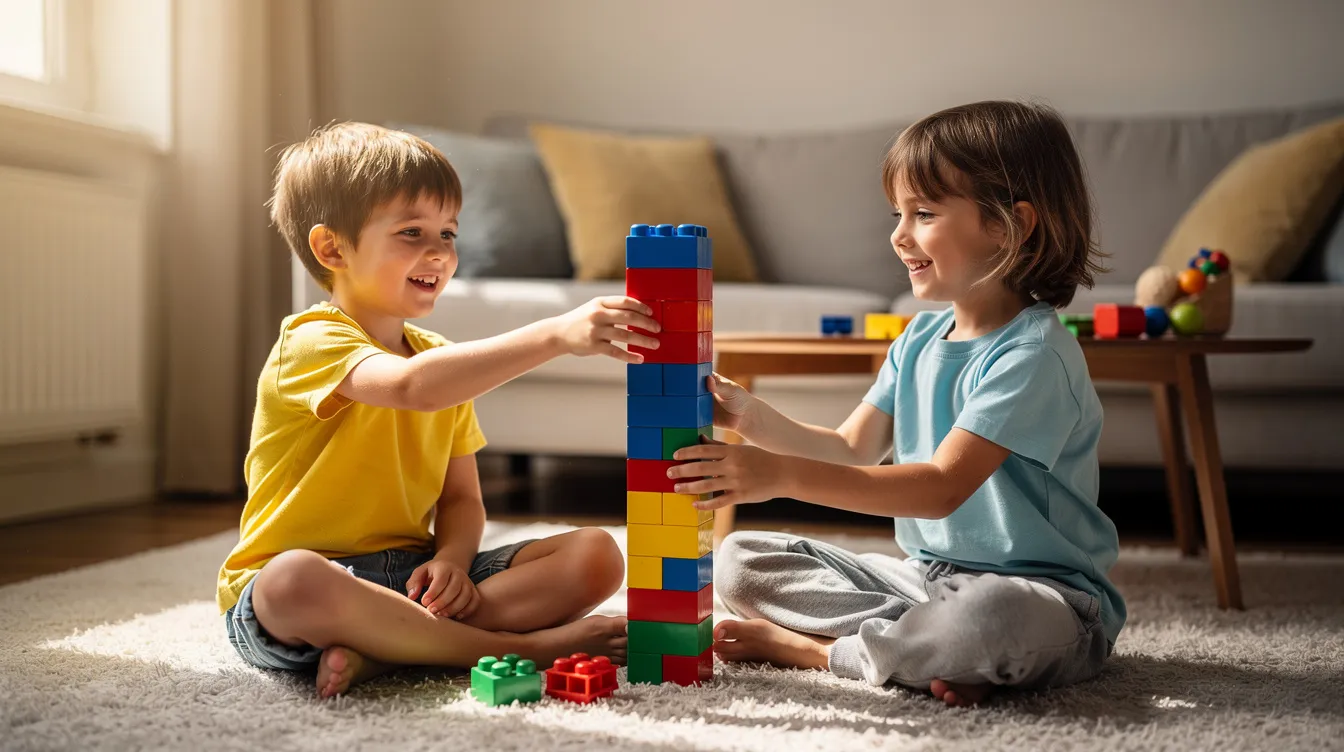
Kids don’t bond only on vacations. They bond during repeated, ordinary routines-school mornings, car rides, after-school snacks-that parents can gently structure. Everyday activities serve important relationship-building functions, and a regular routine creates predictability that helps siblings learn to enjoy each other in daily life.
Look for daily touchpoints and drop in one concrete positive sibling interaction at each: at breakfast, have siblings pour each other’s cereal; during the school commute, play a “would you rather” game; at the after-school transition, share a snack at the same table before screens; during dinner prep, assign one child to wash vegetables while the other sets the table; at bedtime, build in sibling contact.
Family activities don’t require a budget. Try a “Monday Music Morning” where siblings pick one song each while packing lunches, or a family fun night like “Wednesday Puzzle Night” to help rebuild family unity and relationships. Regular family meals and outings build shared memories, and unscheduled family time strengthens sibling relationships just as much as planned events.
A predictable bedtime routine can include real children bonding: an older child reading a short book to the younger one, a quick “what I appreciated about you today” exchange, and “Goodnight, I love you” as a daily routine ritual. Family traditions help children feel included and connected, and they can also create a shared sibling identity. For anxious kids or children in therapy, familiar routines lower stress-ask the child’s therapist to co-design a calming bedtime routine that includes sibling contact, such as making cookies together earlier in the evening.
Use Play, Oxytocin, and “Don’t Interrupt Happy Play” to Build Connection
Oxytocin is the body’s connection chemical. It floods a child’s brain during physical play, laughter, and warm touch-and it’s the fastest way to strengthen sibling relationships under the same roof.
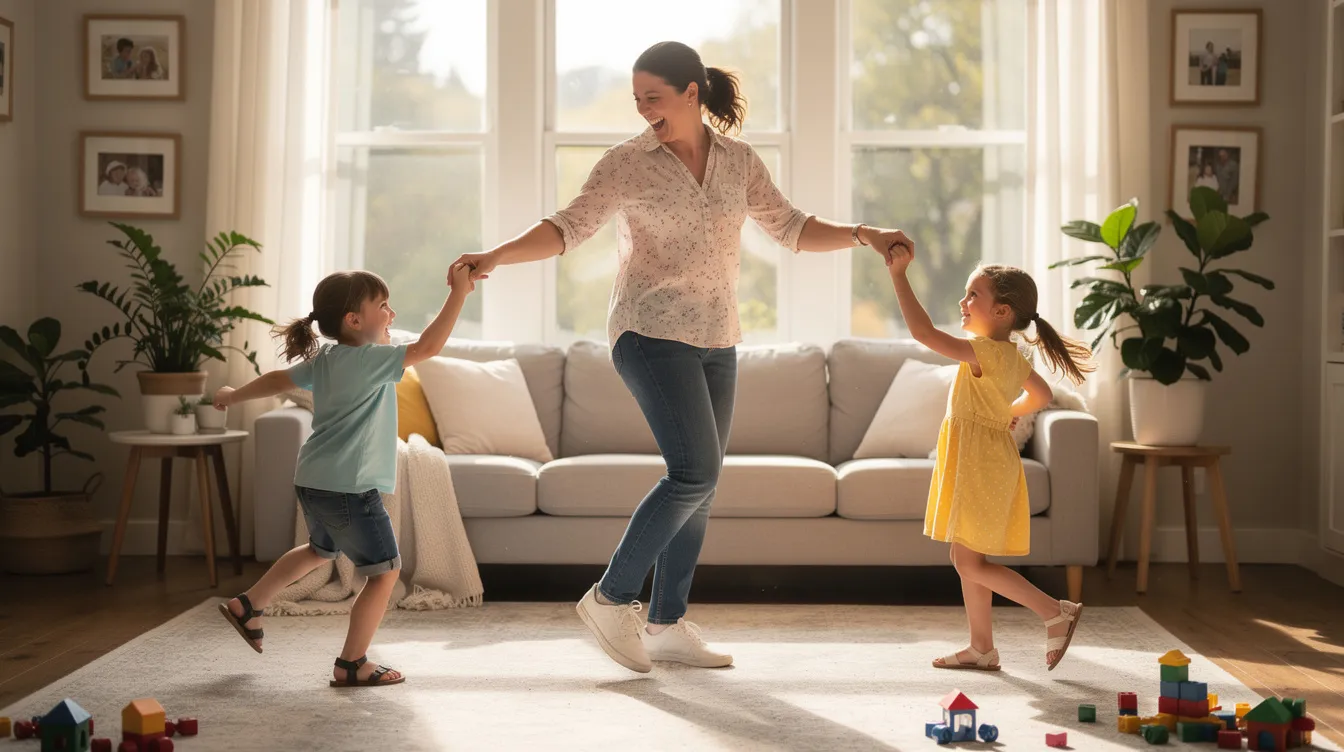
Here are oxytocin inducing activities you can cue daily: roughhousing on the living room rug, a family dance party to a current pop playlist, piggyback rides down the hallway, hand-clapping games, making forts from couch cushions, shared silly jokes at dinner, and children playing a make-believe mission together. A play kitchen can be a great low-conflict pretend-play option for siblings. A play store setup is another easy collaborative scenario that gives each child a role. Praising positive interactions encourages those behaviors to happen more often, so when you see two children laughing together, name it: “I love watching you two crack each other up.” The same goes for a happily playing child or a sleeping baby—if things are peaceful and going well, avoid stepping in unnecessarily.
For children with sensory needs or developmental differences, suggest quieter alternatives: reading side-by-side, drawing together, or parallel research-style Lego building where touch is optional but shared joy is present. If they enjoy themed pretend play, they can also play astronaut together without as much physical intensity. An experienced Pediatric therapists (OT, ABA) often coach parents on safe roughhousing and sensory-based games that help both kids stay regulated instead of tipping into meltdowns.
Designing Shared Activities and Projects That Make Kids Work Together
Cooperative tasks-where kids work toward the same goal with shared cooperative goals rather than competing-naturally create sibling synergy and a “sibling team” identity. Parents can simply adopt the mindset of setting up teamwork instead of turning every activity into a contest.
Start a Family Kindness Journal kept in the kitchen where kids log small helpful acts they did for each other. A Family Kindness Journal encourages children to notice kindness, and celebrating acts of kindness strengthens sibling bonds.
For siblings of children with special needs, adapt projects: an older sibling helping a younger autistic brother choose photos for a visual schedule, or siblings assembling a fidget box together for car rides. Encouraging chances for siblings to help each other fosters partnership.
Supporting Siblings When One Child Has Special Needs or Is in Therapy
When one child is in ongoing therapy-OT, speech, or behavior therapy-or has a diagnosis, siblings can feel invisible, anxious, or overly responsible. The old adage “the squeaky wheel gets the grease” often plays out in these families, leaving the typically developing child wondering where they fit.
Parents commonly ask pediatric coaches questions like: How do I explain autism or ADHD to the sibling? How do I stop them from copying challenging behaviors? How do I give both kids enough attention? Should siblings come to therapy sessions? Individual parental attention reduces competition between siblings, so scheduled special time with the non-diagnosed child is essential.
For age-appropriate explanations, use neutral, non-blaming language. A five-year-old might hear, “Your brother’s brain works in a different way, so he’s learning some things with extra help.” A ten-year-old can handle more detail and follow-up questions. Research shows that when siblings understand, they feel less fear and blame.
Specific practices that support siblings: regular one-on-one special time with each parent, inviting the sibling to watch or briefly join part of a therapy session with permission, and validating their mixed feelings-love, jealousy, worry-without judgment. Parents can influence siblings’ relationships despite normal conflicts. OTs and behavior therapists often model how to play without overwhelming the child in therapy, teach simple co-regulation strategies.
Coaching Kids Through Conflict Without Making Anyone “The Problem”
Sibling conflict is normal-even healthy. It’s a practice ground where children learn negotiation skills through sibling conflicts. But aggression, bullying, and repeated name calling still need clear limits. Less fighting doesn’t come from zero tolerance; it comes from teaching repair. Teaching conflict resolution skills can start as early as age 4.
Use a simple four-step process, and teach kids the steps: pause for safety, regulate with breathing or a reset, let each child tell their story, and guide them to a workable plan without deciding who the “bad kid” is. Then, when it’s safe, encourage siblings to resolve small conflicts on their own. Conflict resolution skills include listening and expressing needs clearly.
Borrow exact phrases: “I’m on both of your sides.” “Tell me what you needed that you weren’t getting.” “What can we try next time instead of hitting or yelling?” These scripts help kids handle big emotions without escalation, and siblings learn to navigate sibling rivalry with words instead of fists. Not every repair attempt has to be a major interaction; repeated small positive repairs help restore connection.
For children with behavior plans, coordinate with behavior therapists to use consistent visuals and scripts at home so all siblings know the steps and expectations. A bad ratio of conflict to connection erodes trust; coaching restores a net positive balance.
Creating a Family Culture That Protects, Not Compares, Siblings
Family culture-what is joked about, praised, tolerated-shapes whether siblings feel like rivals or teammates. Avoiding comparisons reduces competition and resentment between siblings. Effective strategies include shared cooperative goals and avoiding comparisons.
Replace harmful labels (“She’s the smart one,” “Why can’t you sit still like your brother?”) with effort-focused language: “You worked hard on that drawing” or “I noticed you waited patiently.” Encouraging appreciation fosters positive sibling interactions and builds each child’s self worth independently.
- Hold a weekly family check-in where everyone shares a “high” and “low.”
- Post simple house rules that encourage kindness and respect.
- Teach a simple repair process: apologize, make it right, and reconnect.
- Create family traditions like game nights or a monthly “Sibling Choice Day.”
Pediatric coaches often help families write “family values”-kindness, teamwork, respect-in kid-friendly language, then link these values to specific sibling behaviors so expectations feel clear and shared.
How Pediatric Coaches Can Help Your Family
A pediatric coach is a pediatric occupational therapist, behavior therapist, or allied professional who partners with parents to translate therapy goals into daily home and sibling routines. They bridge the gap between clinical progress and real life under the same roof.
Here’s what they do for sibling bonding: assess sensory needs that fuel fights, suggest joint play activities matched to both children’s profiles, script conflict-resolution language, design visual schedules that structures time for therapy and connection, and help parents decide when to step in versus step back.
Many pediatric coaches now offer telehealth check-ins, parent-only sessions, and email follow-ups, making it easier for busy families to get tailored guidance on improving sibling relationships shows better relationships across the lifespan. Therabridgehub.com is a platform that connects you with an experienced pediatric coach.
FAQ: Supporting Sibling Bonding in Real Life
How do I help siblings bond when there is a big age gap?
When there’s a significant age or interest gap-say a four-year-old and an eleven-year-old-look for “overlap zones.” Both might enjoy drawing, baking, or simple video games on cooperative mode. Schedule ten to fifteen minutes of daily shared activity built around those interests even if they’re widely spaced in age. Give the older child a clear, positive role-coach, story reader, helper-without making them a third parent. Try phrases like “You’re her favorite big brother, not her boss.” An interest gap doesn’t have to mean disconnection; it just means you get creative.
What if my kids fight every time they play together?
Shorten playtimes drastically. Start with five to eight minutes of parent-supported play and end while things are still going well. This builds a pattern of happy play before you attempt longer stretches. Use very simple games with clear rules and few pieces-balloon volleyball or roll-and-draw games work well. Coordinate with any behavior therapist on joint play goals and calm-down plans. Over time, the positive balance of good endings teaches kids that playing together can feel safe. Positive interactions can negate negative moments between siblings when stacked consistently.
Should I ever separate siblings to protect their relationship?
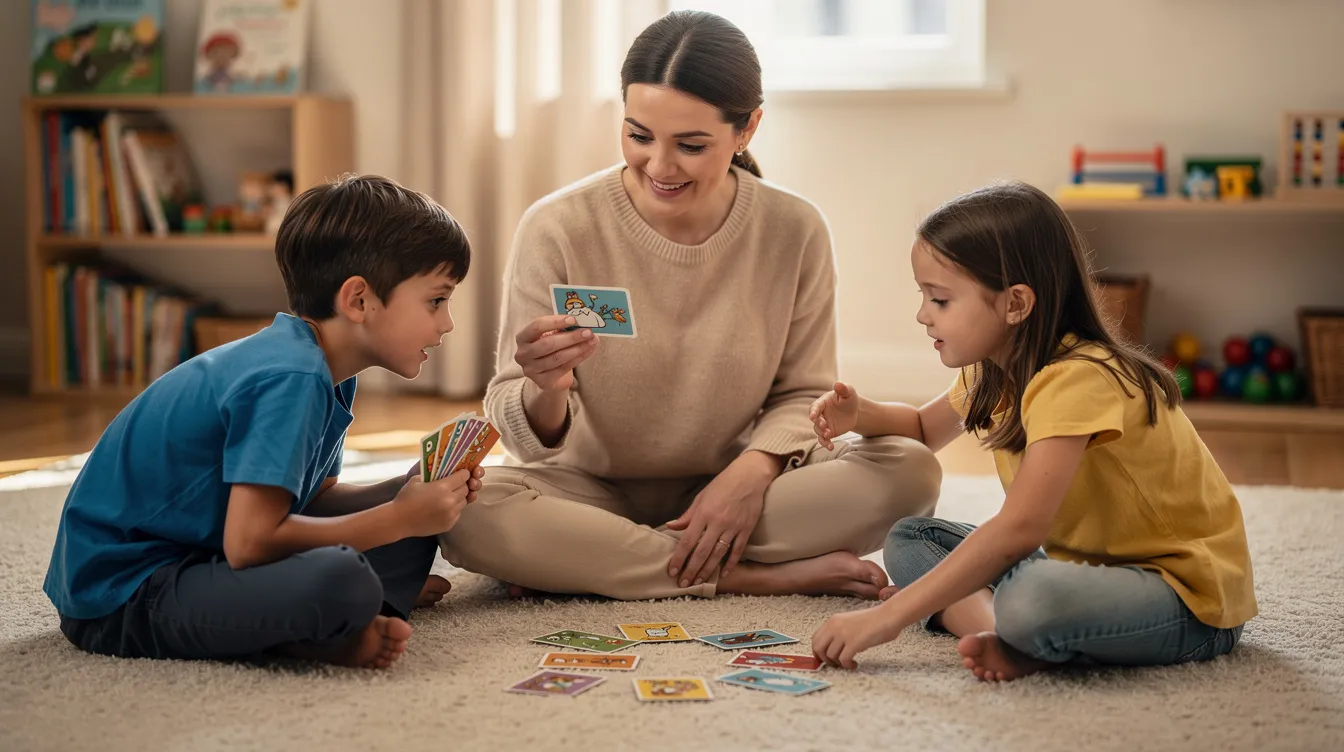
Yes. Brief, planned time apart can be healthy, especially for intense siblings or when one child has high support needs. Frame it as “recharge time” rather than punishment. Follow separation with a small positive interaction-a shared snack, a quick card game-so kids remember that coming back together is safe and enjoyable. Strong sibling relationships sometimes need breathing room, and that’s not failure. It’s strategy.
Can screens help siblings bond, or do they only cause fights?
Treat screens as tools. Choose cooperative games or shared shows where kids laugh together and discuss what they’re watching, instead of isolated solo scrolling. A specific limit like “one co-op game together after homework on school nights” turns screen time into sibling love rather than sibling rivalry. Join occasionally to model turn-taking and positive commentary.
How do I involve siblings in a brother’s or sister’s therapy without overwhelming them?
Start small. Have the sibling join for the last five to ten minutes of a session once a month to learn one game or strategy, with the therapist’s guidance. Emphasize that participation is voluntary. Debrief afterward: “What was that like for you?” Reassure them it’s not their job to be a therapist-just a brother or sister who understands a little more. This beneficial effect of involvement builds empathy without burdening the child, and research from sibling-mediated intervention studies confirms that trained siblings gain confidence and knowledge alongside their brother or sister.
To connect with experienced pediatric coaches and therapists, visit TheraBridgeHub at therabridgehub.com and find a professional who can help your family build stronger sibling connections.