Toddler Not Talking Yet: Should You Be Worried?
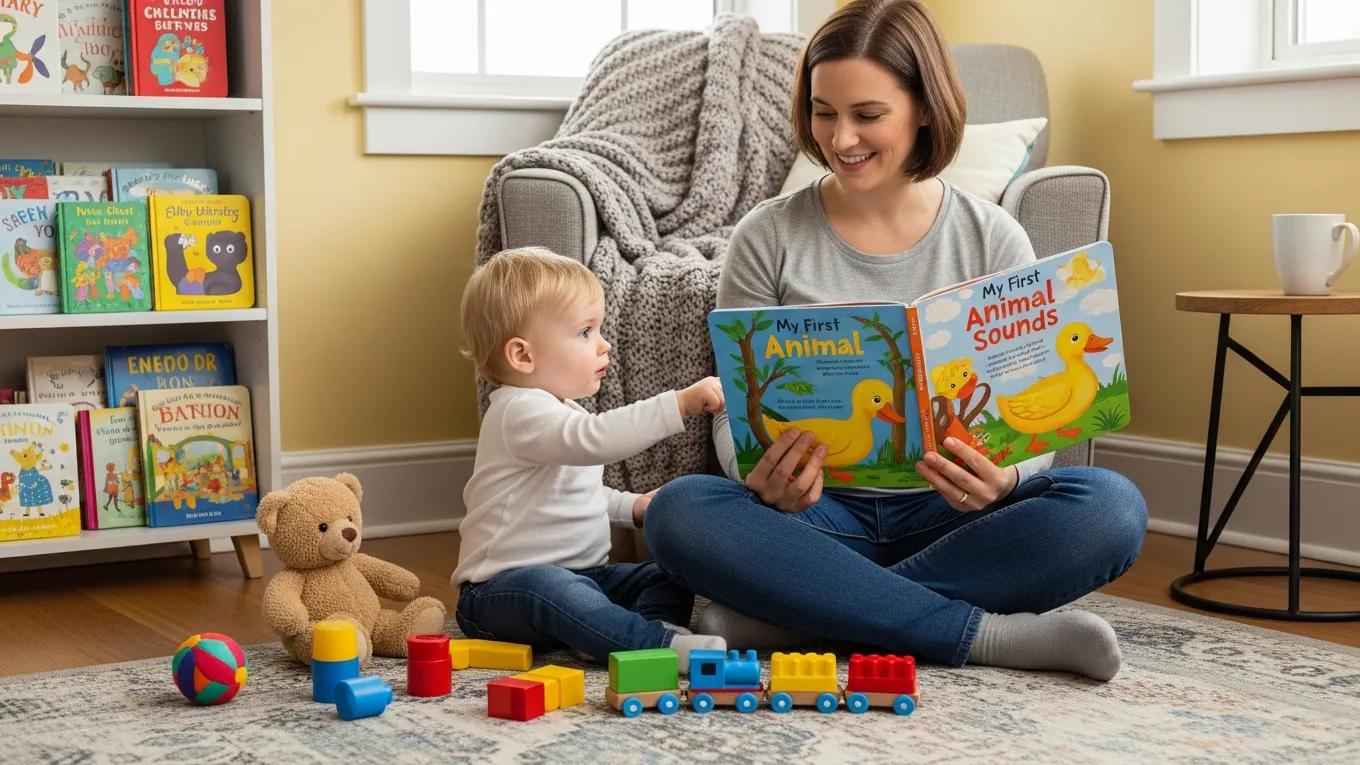
Toddler Not Talking Yet: Understanding Speech Delay and When to Be Concerned
By Brinda Mehta, MS, OTR/L
Is your toddler not talking yet? It’s a common worry for many parents, but understanding speech development can help you know when to relax and when to seek help. This easy-to-read guide breaks down what to watch for, why delays happen, and how you can support your child—especially through parent coaching, which is a powerful way to boost your toddler’s speech right at home.
What Are the Signs and Causes of Speech Delay?
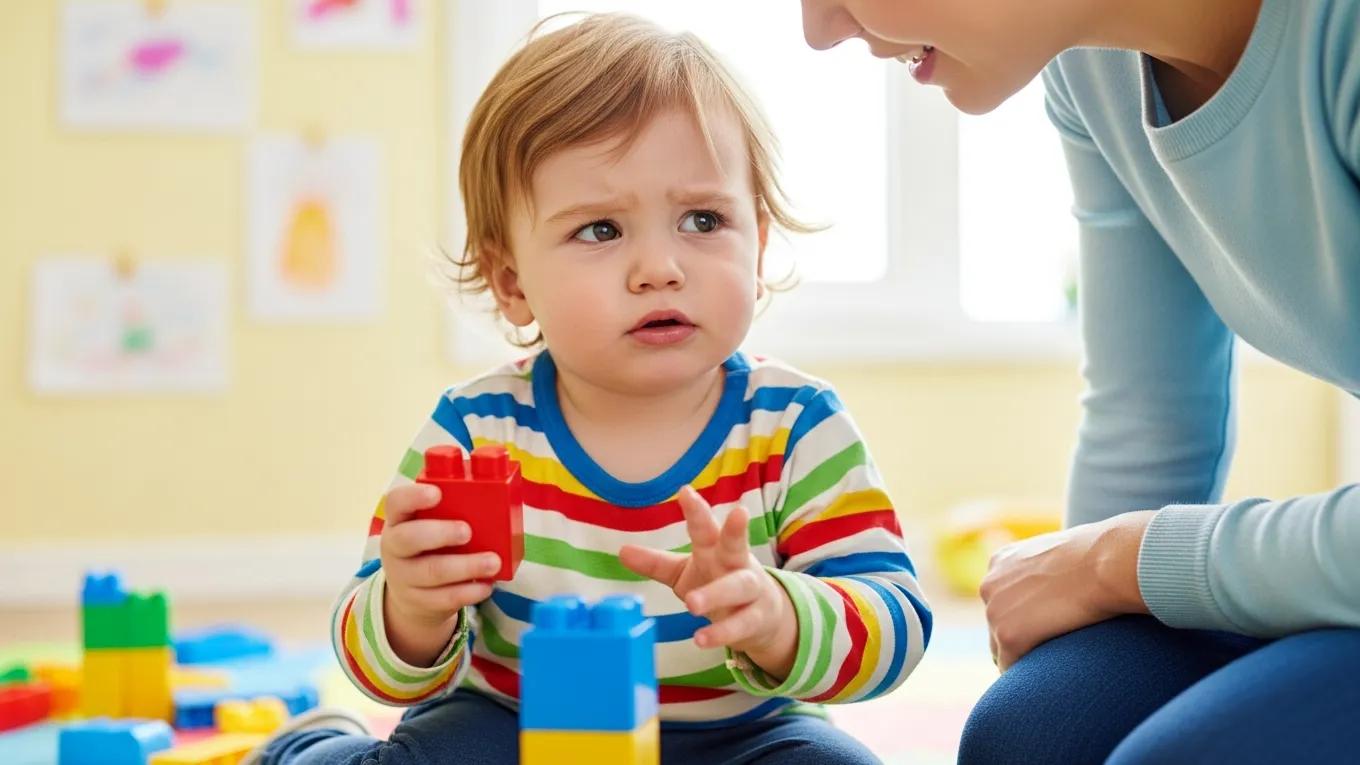
Speech delay means your toddler might:
- Use fewer words than other kids their age
- Have trouble putting words together
- Struggle to understand simple instructions
These delays can happen for many reasons, like hearing problems, developmental differences, or not enough language exposure at home.
Typical Speech Milestones
Most toddlers say their first words around 12 months and start making simple sentences by age two. By three, they usually speak in short sentences and can be understood by strangers. But every child is unique, so some may take a little longer.
Common Causes of Speech Delay
Medical issues like hearing loss or autism can affect speech. Also, if a child doesn’t hear or practice language often, or if there’s limited interaction with caregivers, speech might develop slower.
When Should You Be Concerned?
Wondering if it’s time to get help? Here are signs to watch for:
- No words by 15 months
- Not combining words by 2 years
- Speech skills getting worse instead of better
- Not interested in talking or playing with others
If you notice these, it’s a good idea to talk to your pediatrician. They can do simple tests to check your child’s speech and language skills.
How Parent Coaching Can Help Your Toddler Speak
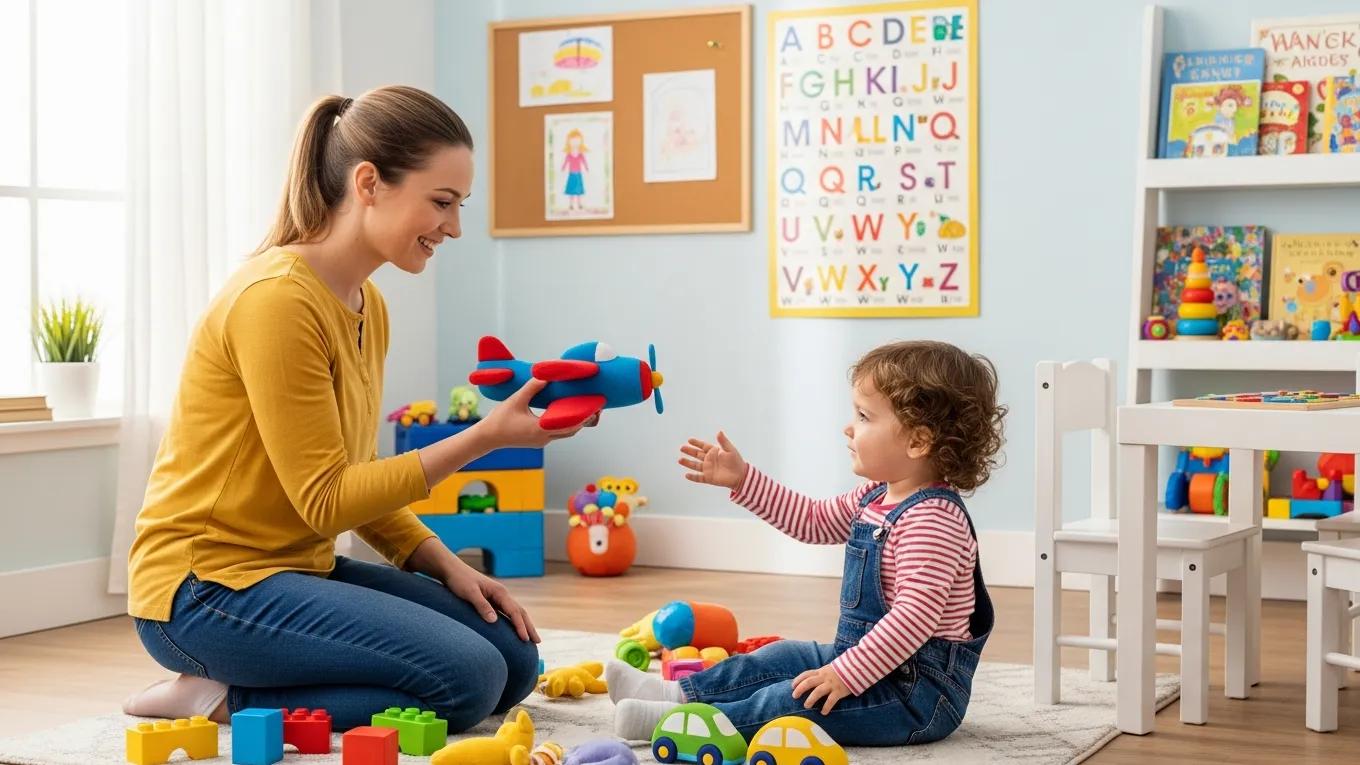
One of the best ways to support your toddler is through parent coaching. This means learning simple, effective ways to encourage your child’s speech during everyday moments. Coaches guide you on how to:
- Use clear, simple language while playing
- Encourage your child to take turns talking
- Describe what you see and do to build vocabulary
- Make communication fun and stress-free
Parent coaching empowers you to be your child’s best speech partner. It fits easily into your daily routine and can make a big difference in how quickly your toddler starts talking.
What About Speech Therapy?
If your child needs extra help, pediatric speech therapy is a great option. Therapists use play and activities to improve how your child talks and interacts. Combining therapy with parent coaching gives your child the best chance to catch up.
Easy Tips to Encourage Speech at Home
You don’t need special tools to help your toddler talk. Try these fun activities:
- Read Together: Books introduce new words and ideas.
- Sing Songs: Rhymes make language fun and memorable.
- Play Pretend: Imaginative games boost talking and creativity.
Keep an eye on your child’s progress by noting new words and how they use sentences. If you feel stuck, adjusting your approach or seeking coaching can help.