What Does School Readiness Really Mean? A Practical Guide for Parents
Key Takeaways
- School readiness is more than academic skills; it means a child can participate, feel safe, and learn in a classroom socially, emotionally, physically, and cognitively.
- Many 4–6 year olds develop unevenly. There is no perfect age or checklist for a neurotypical child, a late-birthday child, or a child with autism, ADHD, prematurity, or delays.
- Parents’ anxiety and expectations can shape the transition, but support from teachers, therapists, child care providers, and online coaching can help.
What Is School Readiness (Beyond Academic Skills)?
If you are wondering what does school readiness really mean, start here: school readiness refers to how prepared a child is to succeed in school in multiple ways, including social, physical, and intellectual adjustments before starting school.
The older view focused on letters, numbers, writing a name, and early literacy. Today, school readiness means a broader foundation: emotional development, social skills, self regulation, physical development, language, curiosity, thinking skills, and reasoning skills. The American Academy of Pediatrics describes readiness as a whole-child process, not a single academic score.
True school readiness includes three pillars: Ready Children, Ready Families, and Ready Schools. Ready children need support, ready families need guidance, and ready schools must be flexible enough to help young children succeed.
School Readiness Checklist for Parents: Core Areas to Look At
Use this checklist between ages 3–6. It is not pass/fail. It helps parents identify what is going well, what is wobbly, and where extra practice or coaching may help.
Look at:
- Emotional readiness and self regulation
- Independence skills
- Attention and behavior
- Social skills with other children
- Speech, language, and communication
- Gross and fine motor skills
- Sensory processing and regulation
- Parent anxiety and decision support
According to a survey, teachers believe that 1 in 3 children are not school ready, showing that parents and educators may see readiness differently.
Emotional Readiness and Self-Regulation
Emotional development involves how a child perceives and responds to their emotions, which is important for understanding their feelings and processing them appropriately in a school environment.
Self-regulation is a key characteristic of school readiness, involving a child’s ability to manage emotions, behavior, attention, and activity levels in various situations. Self-regulation and emotional resilience are essential skills for children, enabling them to manage their emotions, express their needs, and recover from disappointment, which are crucial for long-term school success.
Signs of readiness include the ability to:
- Calm after everyday upsets with adult support
- Separate from parents with a predictable routine
- Name feelings like sad, mad, scared, or excited
- Wait briefly, lose a turn, or try again
Red flags include daily long meltdowns, unsafe aggression, panic about school, or inability to recover after small changes. Coaching can teach parents with co-regulation, visual schedules, and calm-down language.
Independence Skills for Starting School
Schools do not expect full independence. But basic routines help children feel safe and build confidence on the first day.
Helpful skills include:
- Toileting with minimal help
- Washing hands
- Pulling clothing up and down
- Opening lunch containers
- Tidying after play
- Hanging a backpack or using a cubby
Parents and caregivers can help children prepare for school by fostering independence and self-regulation skills, which are essential for managing emotions and adapting to new environments. Establishing a routine at home that mimics a school schedule can help children transition more smoothly into the school environment by providing them with a sense of structure and predictability.
Attention, Behavior, and Ability to Follow Instructions
Readiness does not mean sitting still like an adult. Most children need movement, reminders, and warm teachers.
A child may be ready for school if they can usually:
- Stay with a preferred activity for several minutes
- Listen to a short story
- Follow 1–2 step directions
- Stop after a warning
- Accept “no” or “wait” with support
Cognitive development, which includes building thinking, reasoning, problem-solving, and memory skills, is essential for school readiness as it forms a foundation for all learning. Research shows that foundational skills in self-control and communication correlate with future academic success in reading and mathematics.
Therabridgehub behavior and executive function coaching can help families use visual supports, routines, and positive behavior plans.
Social Skills: Playing, Sharing, and Feeling Safe with Others
School is social. Developing strong social emotional skills helps children form and maintain friendships and focus their attention on learning, which is vital for their success in school.
Look for whether your child can:
- Play near or with other children
- Take turns with support
- Ask for help or toys
- Respond when adults or peers talk
- Seek adult help instead of hitting or grabbing
Engaging children in social activities, such as playdates or group outings, can enhance their social skills and help them adjust to the social dynamics of a school environment. Shy, or anxious children may interact differently and still be school ready with accommodations, scripts, visual supports, and good relationships.
Speech, Language, and Communication
Functional communication matters more than perfect speech. Language and communication skills, including both receptive and expressive language, are critical characteristics of school readiness, as they enable children to understand and engage with their environment effectively.
Receptive language means understanding: “line up,” “clean up,” or “put your coat on the hook.” Expressive language means being able to communicate needs, ideas, pain, hunger, toileting, or confusion through words, signs, gestures, or a device.
Concerns include unclear speech, limited vocabulary by age 4, or difficulty following basic classroom directions. NIDCD data shows communication disorders are common in young children. Therabridgehub coach can support talk, listening, and confidence.
Physical Development and Motor Skills
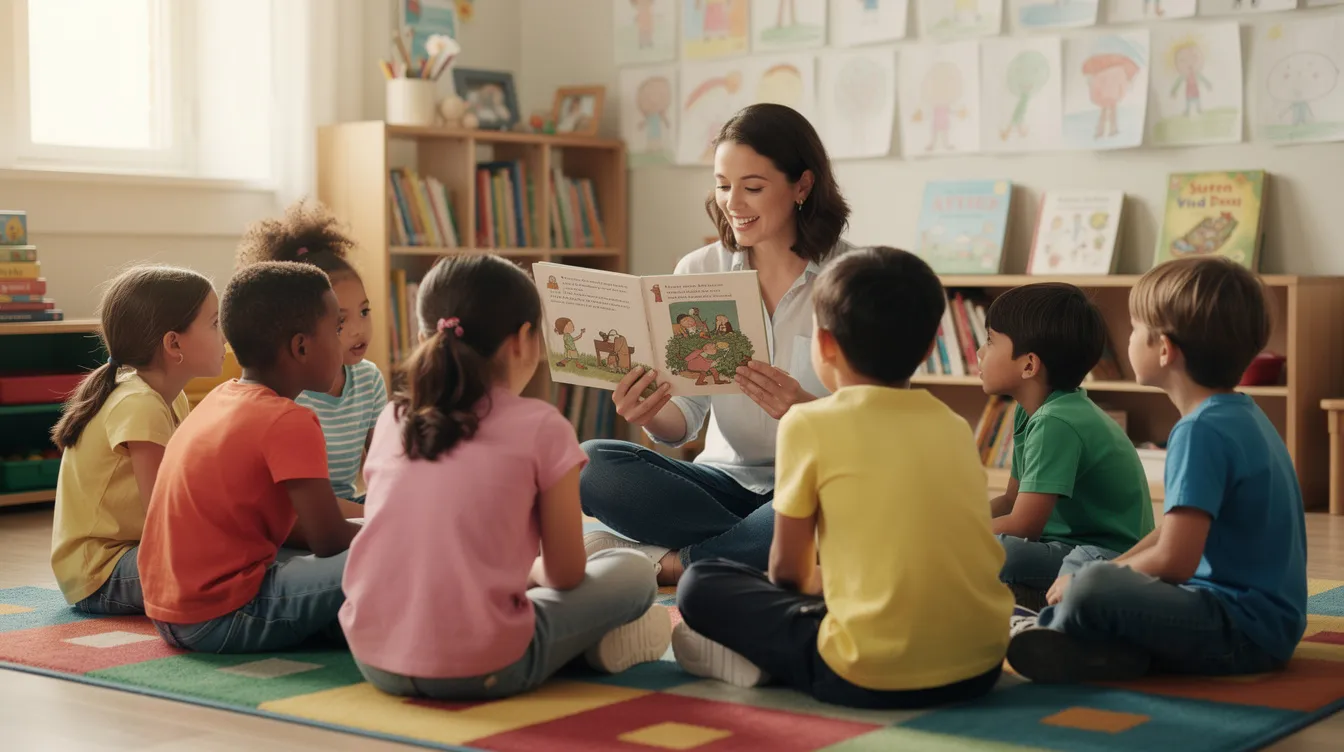
Physical well-being and motor development cover both gross motor skills and fine motor skills, essential for classroom tasks and independence.
Gross motor skills include balance, stairs, playground movement, posture, and safe walking. Fine motor skills include using crayons, turning pages, scissors, blocks, utensils, and early writing tools.
Children born preterm, NICU graduates, children who toe walk, and children with low tone or coordination challenges may need help with endurance, handwriting, and classroom seating.
Coaches can assist with strategies and coaching programs for parents to help their child develop strength, coordination, and tool use.
Sensory Processing and Regulation at School
Sensory processing is how the nervous system responds to sound, light, touch, movement, and internal body signals.
Sensory needs may look like “behavior”:
- Covering ears in the cafeteria
- Avoiding glue, paint, or clothing tags
- Crashing, spinning, or constant movement
- Zoning out or running away
Supports may include sensory breaks, fidgets, headphones, movement jobs, predictable routines, and a safe quiet space. Sensory integration–focused coaching can help families build a practical sensory plan.
Parent Emotions, Anxiety, and the School-Start Decision
Starting school is a major step in a child’s life. It is normal for parents to worry about bullying, falling behind, toileting, behavior, or whether their child still seems “little.”
Use several sources: your observations, child care feedback, preschool teachers, pediatricians, therapists, and your child’s own feelings. Severe unsafe behavior, very limited communication, or unstable medical needs may justify delaying, choosing part-time, or seeking a more supportive placement.
School readiness ensures a positive transition by reducing anxiety and improving comfort in daily classroom routines. Coaching gives families a neutral space to weigh options.
How Online Coaching and Therapy Can Help
Therabridgehub connects parents with a pediatric coach through flexible video coaching.
Coaching can help parents prepare children through:
- Self regulation and sensory strategies
- Independence routines
- Social skills practice and dramatic play
- Speech and communication strategies
- Feeding, constipation, pelvic floor, tongue tie, toe walking, handwriting, and motor support
The early childhood years are critical for brain development, necessitating structured, play-based learning to foster robust neural connections. High-quality early childhood education prevents achievement gaps by addressing vocabulary development and executive functioning as early as 18 months.
Book a short consult a few months before school, then again after the first weeks, so strategies match real classroom life. This supports children’s success, lifelong learning, positive relationships, and later school success.
FAQ
How do I know if my 4-year-old is too young to start school?
Age cutoffs vary. Some 4-year-olds thrive; others benefit from another year in child care or preschool. Look at regulation, communication, attention, independence, and whether the school offers play-based support.
Can a child with autism or ADHD be truly “school ready”?
Yes. School ready does not mean neurotypical. It means the child has support for safety, communication, regulation, learning, and relationships. Visual schedules, sensory supports, small groups, and therapy can help.
What if my child is academically advanced but struggles socially or emotionally?
Academic skills alone do not make children ready. A child may read early or love numbers but still need help with feelings, friendships, flexibility, and frustration. A nurturing setting may be better than a fast academic push.
How far in advance should we start working on school readiness skills?
Families can begin in early years through play, routines, and new activities. Focused work often happens 6–12 months before starting school. Practice toileting, dressing, lunch, listening, and calm-down tools in small steps.
What should I do if school has already started and my child is really struggling?
Rocky starts happen. Meet with the teacher, ask for examples, track sleep and meltdowns, and choose 1–2 strategies to teach consistently. Therabridgehub coaching can help ready children, ready families, and ready schools work together so the developing child can succeed.